How to Become a Citizen Scientist

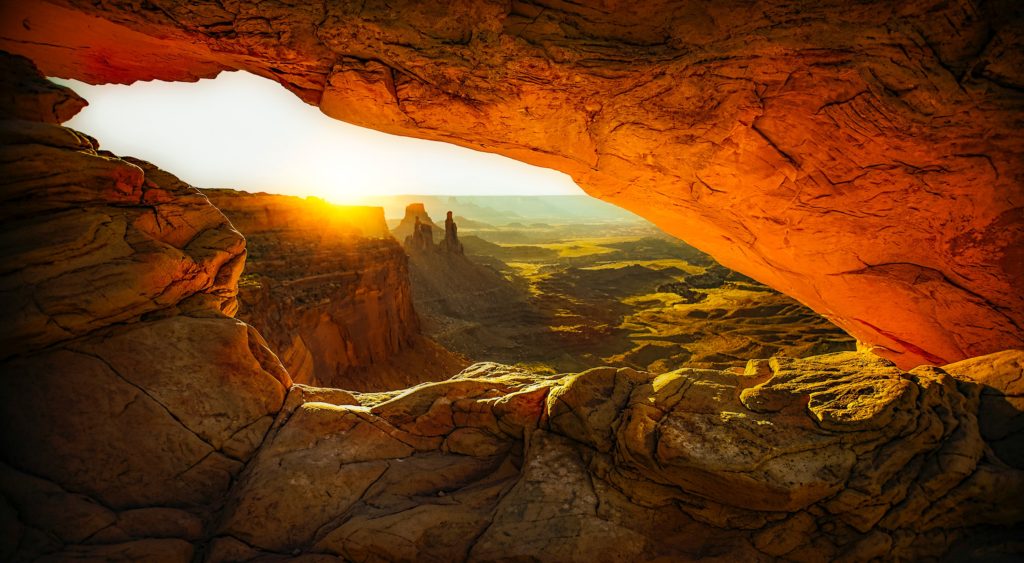
The real joy of getting a Geology undergraduate degree is all the fieldwork – you usually have to complete a 6 week field camp, often out West.
Just a day at the office

After college, the tricky part is finding a career that lets you work outside.

It can be difficult to find a job that both pays well and lets you experience the great outdoors. Such jobs do exist, but it requires dedication, and luck, to find them.

Even if you find that job, after moving up the career ladder, you likely find yourself as a manager, spending all your days in meetings or tied to a desk.

When you forget that fresh air is more than an NPR program.

It doesn’t matter if your major was Geology, Biology, Geography, or Archaeology, chances are that many other people feel just like you. They find themselves working in marketing, management, or loads of other jobs that have nothing to do with their degrees.

Staying Plugged In – From Home or Breaks on Work

Now, don’t despair – and don’t walk away from those cushy office jobs! There are many ways to still get your Nature geek on.

There are many organizations that need volunteers to help collect or process data. National Geographic has plenty of citizen science programs on their website, putting you in touch with scientists who will help you test your local water, take part in the
Audubon Society’s bird census, or even search space.

The new wave of data coming at scientists can sometimes be daunting. Where they used to scrimp and save to get one overhead image, they find themselves inundated with thousands. Between drones, trail cameras, and satellite images, they have to find a way to pull out the information they need. You can help, by helping them train their machine learning programs to identify different types of animals . Sometimes, even the computers can’t do it, and there’s no substitute for the human eye – you can help NASA find planets.

Working Vacations

There are ways to use your vacation time to get away from the office and see remote locations while helping scientists collect data! Earthwatch.org is an international nonprofit organization that ‘ bring individuals from all walks of life together with world-class scientists to work for the good of the planet.’ By joining an expedition, your fees support the research (and meals), while you collect data side by side with the experts! Join an expedition monitoring dolphins in Costa Rica, boating down the Amazon, or see climate change the edge of the Arctic.
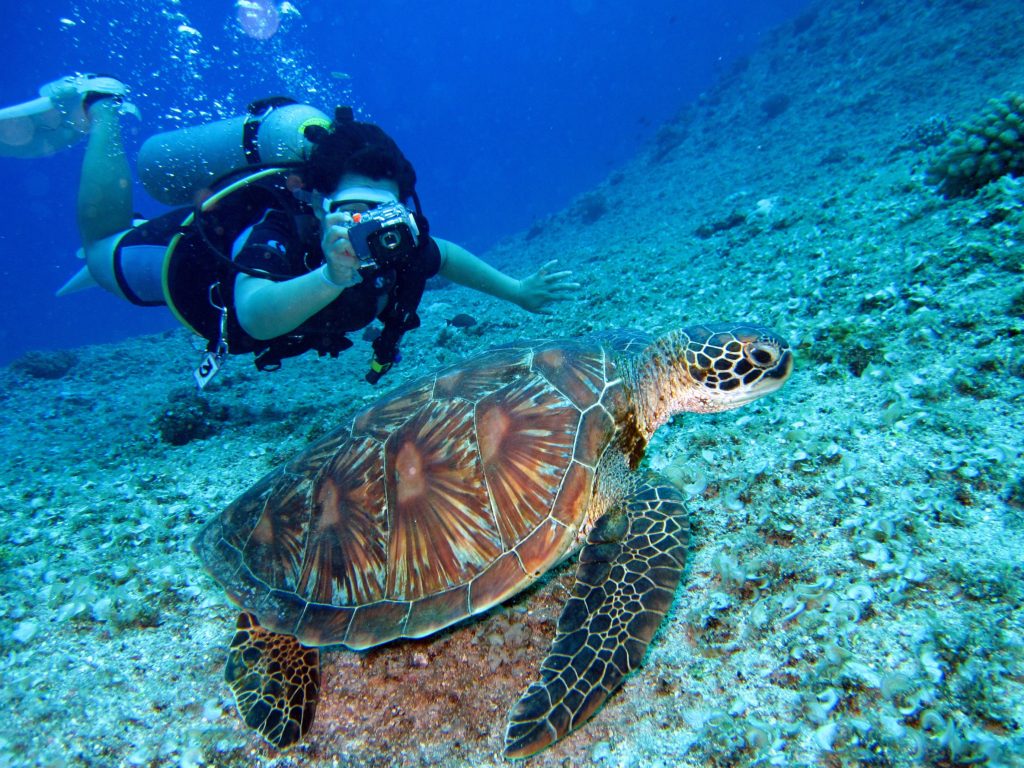
If you’re interested in conservation or education, check out GVI. From their website, “
Volunteer for a week or up to a year, combine our projects for unique multi-country combos, become an international expedition team member, take a gap year with a difference, or flesh out your resume with one of our various internship options!”

Or Just Tuck In With A Good Book

For example, I love the U.S. National Park system, but I’ll never get to go to all of them. Nevada Barr’s novels lets you explore 18 different parks, and the life of a park ranger, while enjoying the thrill of a murder mystery along the way. There are plenty of authors featuring scientists who can help you keep fresh on your science as well as scope out parts of the world you’ve yet to explore!

Remember, how you stay connected is up to you, but never forget the passion that inspired you. Whether through fiction, vacations, or just a good book, the world is waiting for you.

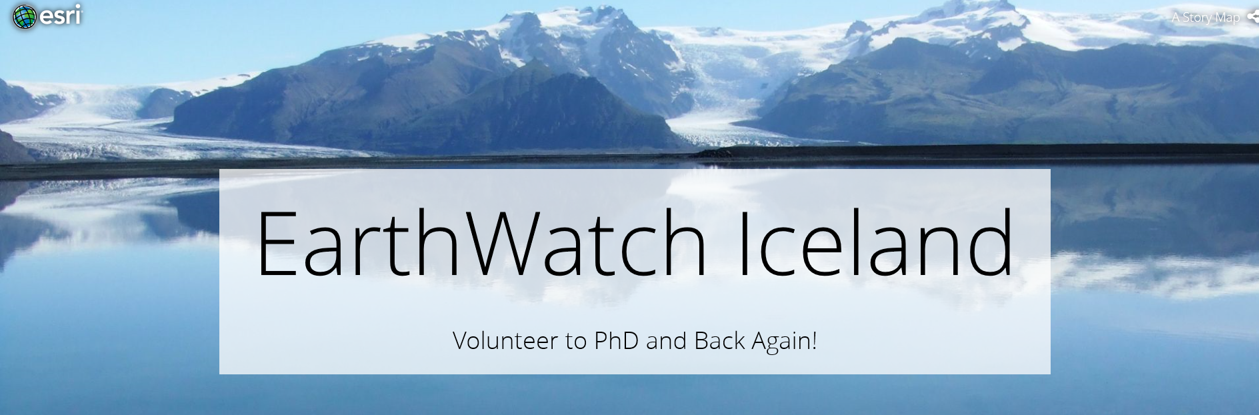
Interactive Earthwatch Iceland Story Map!

ESRI Story maps are a free way to create inspiring, immersive stories by combining text, interactive maps, and other multimedia content. Publish and share your story with your organization or everyone around the world. I’ve used their tool to explain the research we conducted in Iceland (as described in the novel Cold Flood) with interactive maps.  

Enjoy and remember you can create your own story maps just by going to https://storymaps.arcgis.com/

Guest Post on Hopelessly Devoted Bibliophile: The Character in the Flaw

I was invited to be a guest poster on Hopelessly Devoted Bibliophile’s site, talking on the topic of building characters in fiction: how to make them interesting, without resorting to giving them, say, an eye patch.*

Excerpt: “Asked to read a first draft, a beta reader informed me: ‘It’s okay, but your main character doesn’t have enough flaws.’ A second reader said of the same draft replied, ‘She has too many flaws!’ This led me to ask the question: When is your lead character sufficiently flawed enough to be interesting, but not too much that it alienates the reader? In the case of Sherlock Holmes, the character does heroin for a little while, either for undercover work or for fun/addiction, but only enough to make him dark and edgy. Watson, the reader’s guide, dries him out. You can make you character an alcoholic, but at some point the character has to remain vertical long enough to solve a crime…”

You can read the rest of the post on Hopelessly Devoted Bibliophile’s site here!

(*Disclaimer – I love eye patches!)

Another solution might be to give your character an adorable companion… like say a puppy… or forty-four meerkats.

Shameless Plug: Meerkat Murders by R. J. Corgan is coming in Summer 2019!!

Guest Post on What Cathy Read Next: ‘Putting Science in Fiction’

Last week it was a pleasure to be featured as a guest poster on What Cathy Read Next, discussing the topic of ‘Putting Science in Fiction.’

Here’s an excerpt:

“Scientists leading expeditions in the remotest regions of the world are often doing a mad balancing act. Putting aside the fact that they have to acquire funding, manage the logistics for travel, food, and equipment for all of their team members, they also have to ensure the safety of every member under hazardous conditions. They do this while simultaneously mentoring and educating students, managing course loads, and addressing concerns, and enlisting the help, of local populations…

“I wrote Cold Flood as a tribute to these researchers. They labor to publish their findings in peer-reviewed journals, ones most of us will never read. I hope that by telling their story, the reader will get a glimpse of some amazing places and spend some time getting to know some truly amazing people – and maybe be inspired to join an expedition themselves.”

You can read the full review on Cathy’s blog here! 

New review of Cold Flood posted on A-Thrill-A-Week!

New review of Cold Flood posted on A-Thrill-A-Week, a blog that ‘Reviews Thriller Book Series from a Scientific Viewpoint’

Not only is it a great review, the blog provides additional scientific insight!

Also from the blogger’s page (which I love):

Signs you’ve become a mad scientist:

– When you stop calling the people who staff your laboratory “grad students” and start calling them “minions” instead.

– When doing your hair in the morning requires 1000 volts but no conditioner.

– When the number of burn marks or bloodstains on your white coat exceeds the number of coffee stains.

– When your inventions are labelled with any of the prefixes super-, mega-, death-, psychic-, or, with the obvious exceptions, space-.

– When your laboratory is located in any of the following: a cave, a castle, a dungeon, a zeppelin, or a geodesic dome.

– When any part of your equipment requires being struck by lightning to function.